June 26, 2026


— Chad Mathis, Director of Field Operations, Houchin Construction, Naples, FL
Why Communication Is the Most Important
Part of Construction:
A Core Deliverable at Houchin Construction
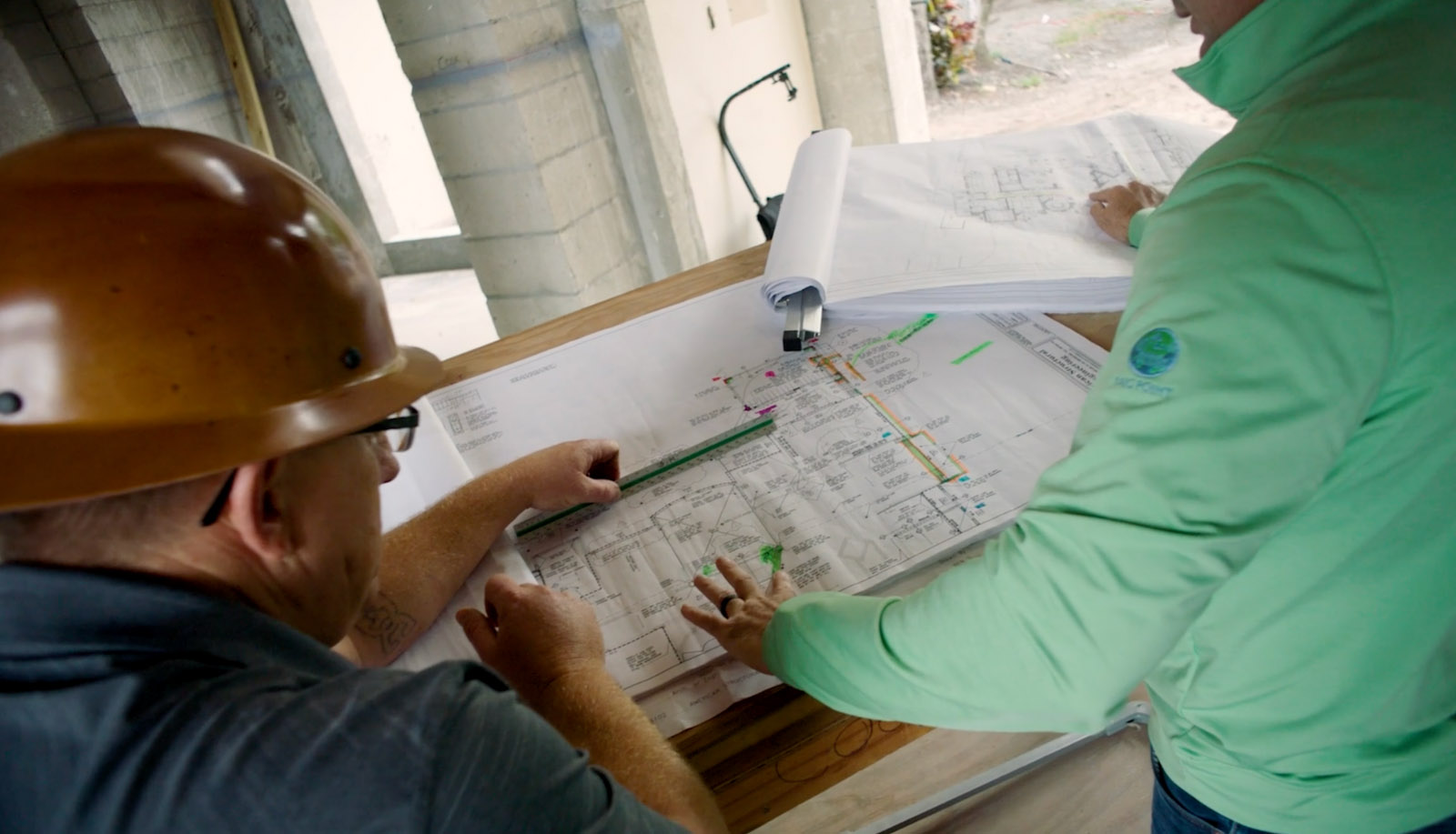
Communication is one of the most important drivers of success in any construction project because every phase depends on clear coordination, timely decisions, and accurate information. In an industry where miscommunication can account for nearly 48% of rework, the cost of unclear direction is far too high to ignore. Modern construction projects involve architects, owners, subcontractors, field teams, suppliers, and inspectors, all working within tight timelines and changing conditions. That complexity makes construction project communication more than a soft skill; it is a critical management function. At Houchin Construction, communication is treated as a core deliverable because it directly supports quality, safety, schedule control, and client confidence. When teams improve construction communication, they reduce risk and build better outcomes from the start.
Why Communication Drives Construction Success
- Construction projects succeed when the right people have the right information at the right time. From preconstruction through closeout, teams must coordinate design details, field conditions, inspections, materials, and client expectations. A single missed update can affect sequencing, labor planning, compliance, or procurement. Strong communication keeps the entire project moving in the same direction and helps leaders make faster, better decisions. It also creates visibility across the jobsite so issues can be addressed before they become costly problems. In practice, communication supports both daily execution and long-term project outcomes. It is one of the most reliable ways to improve construction communication across every phase of work.
- Reduces delays by keeping teams aligned on schedule changes, approvals, and next steps.
- Improves safety by ensuring hazard updates, site rules, and changing conditions are clearly shared.
- Strengthens collaboration by helping owners, trades, and project managers work from the same plan.
- Reduces RFIs and rework by preventing confusion before it reaches the field.
- Supports quality control by making expectations, inspections, and specifications easier to track.
Communication touches every project management function, from estimating and scheduling to field execution and closeout. When communication is consistent, construction management becomes more predictable, more efficient, and more accountable.
Why Communication Breaks Down in Construction
- Even strong teams can struggle when information moves through too many people, too many systems, or too many assumptions. Construction environments are dynamic, and conditions can change quickly on the jobsite. That creates vulnerabilities for missed updates, unclear responsibilities, and incomplete documentation. Without a structured approach, small communication gaps can grow into schedule delays, budget issues, or quality problems. These breakdowns are especially costly in construction project communication because the work depends on accurate coordination across multiple parties.
- Distributed teams make it harder to keep everyone informed in real time.
- Fast-changing conditions can make yesterday’s plan outdated by the time crews arrive onsite.
- High documentation volumes increase the chance that important details get buried or overlooked.
- Multiple channels causing confusion can lead to conflicting instructions across email, text, meetings, and drawings.
- Varied skill levels can affect how well people interpret technical details or follow communication protocols.
- Timeline pressure can push teams to move too quickly and skip important alignment steps.
That is why structured communication frameworks matter. Clear processes help construction teams standardize updates, document decisions, and reduce rework before it happens.
Communication as a Core Deliverable at Houchin Construction
At Houchin Construction, communication is not treated as an afterthought. It is built into the project process as a formal deliverable that supports accountability, trust, and execution. That means every stakeholder knows what to expect, where to find information, and how updates will be shared. By making communication a standard part of construction management, Houchin helps clients experience fewer surprises and more control from start to finish.
1. Clear, Standardized Communication Channels
Houchin Construction uses clear communication paths so project information is not lost in scattered conversations. Standardized channels help the team identify who owns each update and where questions should go. This improves response time and reduces the chance of conflicting directions. It also gives clients a more reliable experience throughout the project.
2. Strong Documentation Practices
Reliable documentation is essential to reducing rework and protecting project quality. Houchin Construction prioritizes organized records, consistent reporting, and traceable decisions so teams can verify what was approved and when. Strong documentation also supports accountability when issues arise. In construction project ommunication, accurate records are one of the best tools for staying aligned.
3. Proactive, Up-Front Planning
Communication works best when it starts before work begins. Houchin focuses on proactive planning so expectations, constraints, and responsibilities are clear early in the process. This helps identify risks, coordinate trades, and prevent avoidable delays. Up-front alignment is one of the most effective ways to improve construction communication and keep projects on track.
4. Technology-Driven Coordination
Modern construction depends on fast access to information, and technology helps make that possible. Houchin Construction leverages digital tools to support real-time coordination, document sharing, and project visibility. When teams can access the latest information quickly, decisions become more accurate and efficient. Technology also strengthens construction management by reducing confusion across the field and office.
5. Continuous Alignment and Feedback
Effective communication does not happen once; it happens continuously. Houchin reinforces alignment through regular updates, check-ins, and feedback loops that keep the project moving in sync. This ongoing communication helps identify issues early and adjust before they affect schedule or quality. It also builds stronger elationships by making every stakeholder feel informed and heard.
Conclusion
The construction industry has made it clear that communication is not optional; it is essential to performance, safety, and client satisfaction. Projects become more successful when teams share information clearly, document decisions carefully, and stay aligned across every phase of work. Houchin Construction understands that communication is more than a support function — it is a core deliverable that helps drive quality and consistency. By prioritizing construction project communication, the team strengthens construction management and helps reduce rework before it starts. That commitment creates a better experience for clients and a more efficient process for everyone involved. It is one of the key reasons Houchin Construction stands apart in the industry.